Nutritional Considerations for Men's Well-being
Educational exploration of nutrients, foods, and dietary patterns relevant to men's general health.
Key Nutrients for Men
This section explores specific vitamins and minerals frequently discussed in relation to men's nutritional needs, presented from a purely informational dietary perspective.
Zinc in Nutrition and Function
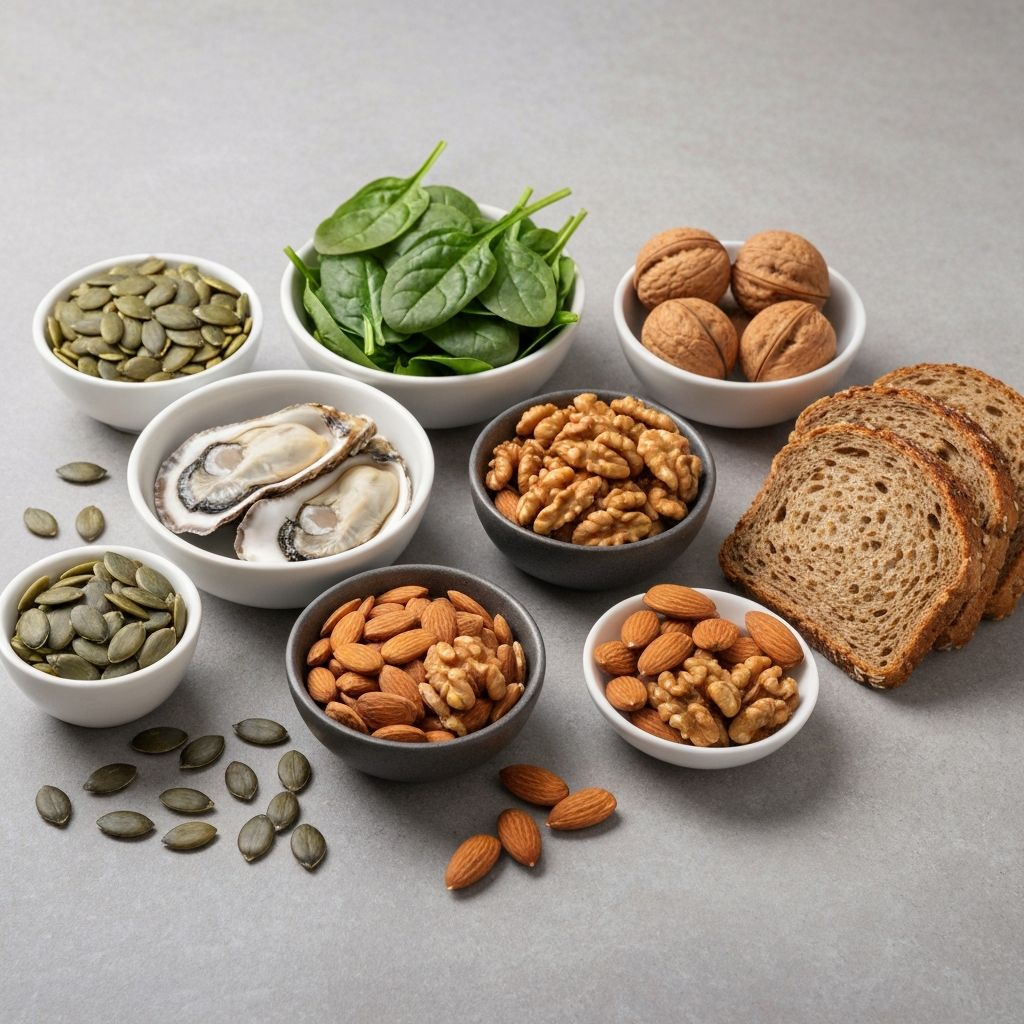
Zinc is a mineral involved in numerous enzymatic processes and immune support. It is found naturally in foods including oysters, beef, seeds, and legumes. Adequate zinc intake supports general metabolic function and immune response.
- Oysters and shellfish as rich zinc sources
- Seeds and nuts providing zinc with healthy fats
- Legumes combining zinc with plant-based proteins
- Whole grains contributing zinc across dietary patterns
Magnesium and Mineral Balance
Magnesium is essential for muscle function, energy production, and nervous system support. This mineral is abundant in foods like spinach, almonds, pumpkin seeds, and legumes, making it accessible through varied whole-food eating.
- Leafy green vegetables as major magnesium sources
- Nuts and seeds offering magnesium with other nutrients
- Whole grains providing sustained magnesium intake
- Dark chocolate as a less expected magnesium contributor

B Vitamins and Metabolic Support
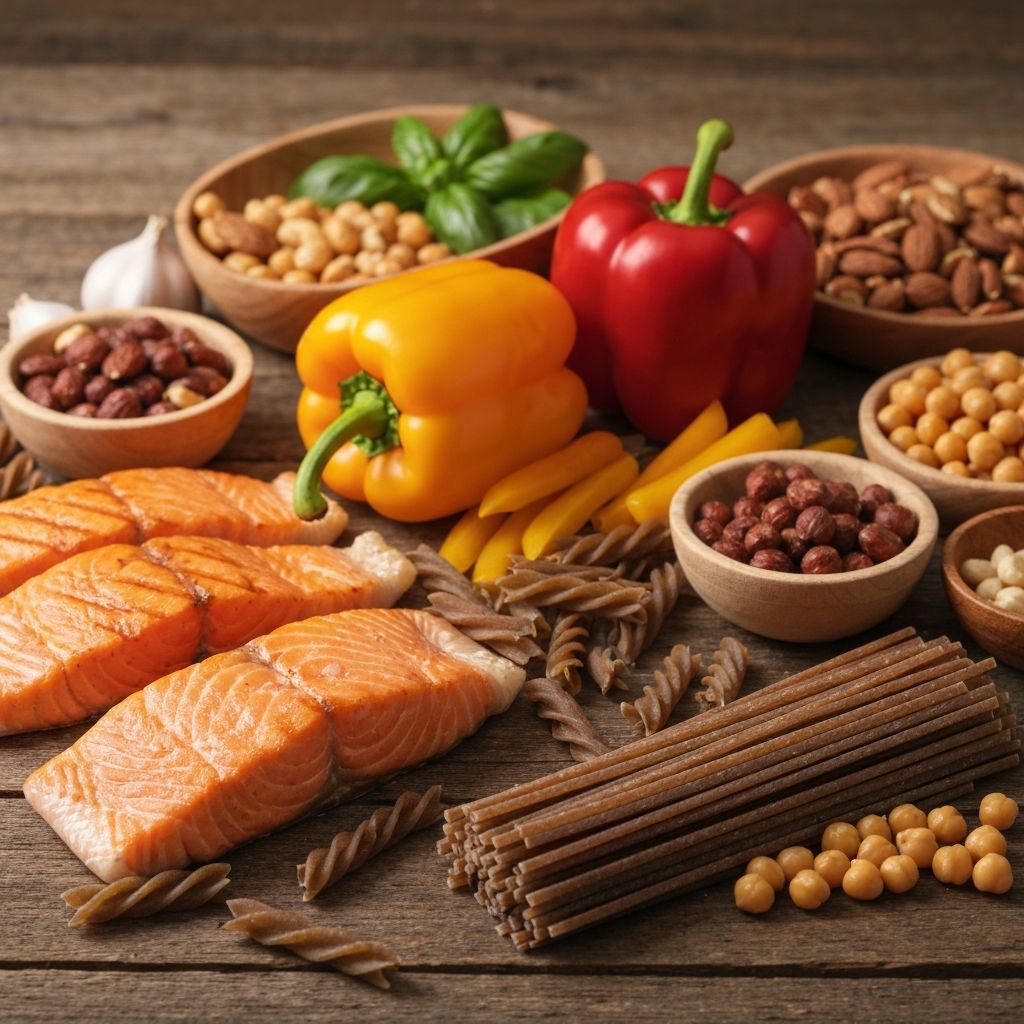
B vitamins, including B6 and B12, support energy metabolism and nervous system function. These vitamins are found in diverse sources including fish, poultry, eggs, legumes, and fortified grains, supporting various dietary approaches.
- Fish and poultry as natural B vitamin sources
- Eggs providing complete B vitamin profiles
- Legumes and grains contributing various B vitamins
- Dairy products offering supplementary B vitamins
Diet and Active Lifestyle
For individuals maintaining active lifestyles, nutritional considerations center on adequate energy, protein, and recovery support.
Energy and Performance
Consistent carbohydrate intake supports sustained energy for physical activity. Timing carbohydrate consumption around activity optimizes available energy for performance.
Protein and Recovery
Adequate protein intake supports muscle recovery and maintenance. Distributed protein consumption throughout the day ensures consistent amino acid availability.
Hydration for Activity
Physical exertion increases fluid requirements. Maintaining proper hydration before, during, and after activity supports performance and recovery.
Practical Dietary Approaches
Implementing consistent, balanced eating patterns supports sustained well-being and activity participation.
Building a Sustainable Pattern
Sustainable nutrition involves consistent meals, diverse food choices, and adaptation to individual schedules and preferences. Rather than restrictive approaches, emphasis falls on inclusion of nutrient-dense whole foods and responsive eating aligned with activity and hunger.
- Regular meal timing supporting stable energy
- Inclusion of various food groups at meals
- Adequate hydration as a daily priority
- Flexible approaches accommodating real-life circumstances
- Attention to satiety and eating satisfaction
Common Nutritional Questions for Men
Addressing frequently raised topics with factual nutritional information.
Is protein supplementation necessary?
Most nutritional needs can be met through whole-food protein sources. Supplements serve convenience but are not required for adequate protein intake through diverse food choices.
How important is meal timing?
While total daily intake matters most, consistent meal timing supports stable energy and can align with activity schedules, improving practical adherence to nutritious eating.
Do specific foods boost energy?
Consistent, balanced eating supports stable energy better than isolated "energy foods." Whole grains, proteins, and vegetables work synergistically for sustained fuel.
Integration with Lifestyle
Nutritional decisions integrate with broader lifestyle factors including activity, sleep, and stress management.
Sleep and Dietary Patterns
Consistent meal timing and adequate nutrition support quality sleep. Avoiding heavy meals before bed and maintaining stable blood sugar through regular eating supports restful sleep.
Stress and Nutrition
Nutrient-dense foods and stable eating patterns support stress resilience. Consistent blood sugar through regular meals provides stable foundation for managing daily demands.
Social and Practical Eating
Food enjoyment and social dining support long-term adherence to healthy eating. Nutritious eating integrates with social, cultural, and practical aspects of daily life.
Learn More About Nutrition
Explore additional resources and comprehensive information about dietary science and health.
Limitations and Context
The information provided on Quixus.info is for general educational purposes only and is not intended to be a substitute for professional medical advice, diagnosis, or treatment. It does not offer individual recommendations. Nutritional needs and approaches vary widely among individuals. Always consult with a qualified healthcare professional before making any decisions about your health or diet. Reliance on any information provided by this website is solely at your own risk.